Clinical Insights, MedIntel

Telemedicine Post-Pandemic: Essential Physical Exam Techniques for Remote Consultations

The patient is on screen, but you can't touch them. How do you assess for appendicitis or pneumonia? This guide covers the "Remote Patient Physical Exam" (RPPE) techniques that savvy clinicians are using to diagnose effectively via video.

hcanalysis
Writer & Blogger
2 min read
Medintel ai SUMMARY
  • Key insight regarding Telehealth Protocols and its impact on modern healthcare workflows
  • Key insight regarding Diagnostic Safety and its impact on modern healthcare workflows
  • Key insight regarding Patient Empowerment and its impact on modern healthcare workflows
  • This article explores the synthesis of data accuracy and clinical application

Introduction
TIntroduction
Telemedicine is no longer just for refills; it is a permanent fixture of acute care. However, the biggest fear for any clinician is missing a diagnosis because they couldn’t perform a physical exam.

In 2025, the “observation” component of the physical exam has been elevated to an art form. We call this the RPPE (Remote Patient Physical Exam).

The Disease/Problem: Acute Abdominal Pain

  • Scenario: A patient calls with belly pain. Is it gas, or is it appendicitis?
  • The Remote Solution:
    • The Jump Test: Ask the patient to stand up, jump once, and land flat on their feet. If this causes severe pain in the right lower quadrant (RLQ), it is a positive sign for peritoneal irritation (appendicitis).
    • Self-Palpation: Guide the patient’s hand. “Press deep on the left side and let go quickly.” If they feel pain on the right side (Rovsing’s sign), it’s a red flag.

The Disease/Problem: Respiratory Infection

  • Scenario: A child has a cough. Do they need antibiotics or admission?
  • The Remote Solution:
    • Work of Breathing: Do not just listen to the cough. Ask the parent to take the shirt off. Look for retractions (skin sucking in between ribs) or tracheal tugging. This visual data is often more reliable than a low-quality audio recording of breath sounds.
    • Respiratory Rate: Count the breaths yourself secretly while talking to the parent. Do not ask them to count (they usually get it wrong).

The Tech-Enabled Exam
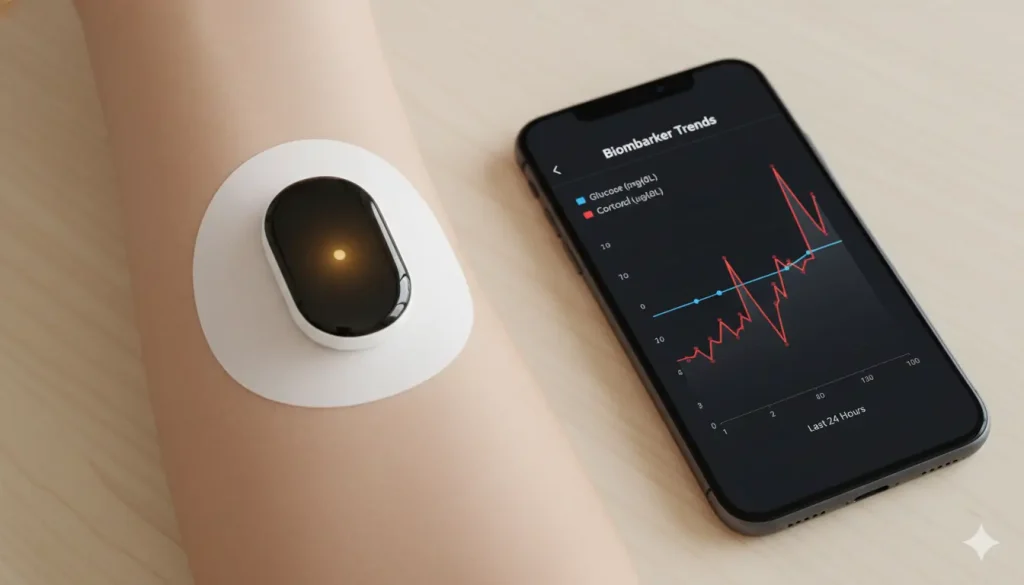
For frequent flyers (chronic heart/lung patients), the “solution” is often hardware. TytoCare and other home-exam kits allow patients to place a digital stethoscope on their chest, streaming high-fidelity heart and lung sounds directly to your headphones.

Conclusion
The physical exam is not dead; it has just evolved. By using the patient as your “avatar” to perform maneuvers and focusing on high-definition observation, clinicians can rule out emergencies effectively from miles away.


Join the discussion...
🔒 Login / Register to comment

Leave a Comment

Related Topics

Empowering healthcare professionals and tech enthusiasts with the latest intelligence on the convergence of Artificial Intelligence and Medicine.

You Want to See This

© 2025 HealthCode Analysis. All rights reserved. Not medical advice.

AskMe Assistant
Hello! I am AskMe. Ask me anything about our medical AI articles or reviews.
OR
OR
Scroll to Top