The Problem: Suturing Takes Time
In a busy ER, a 5cm laceration can take a provider 15-20 minutes to clean and close. Multiply that by ten patients on a Saturday night, and the waiting room explodes. The SurgiMate Mini is a portable robotic assistant intended to handle these routine closures.
Hardware & Precision
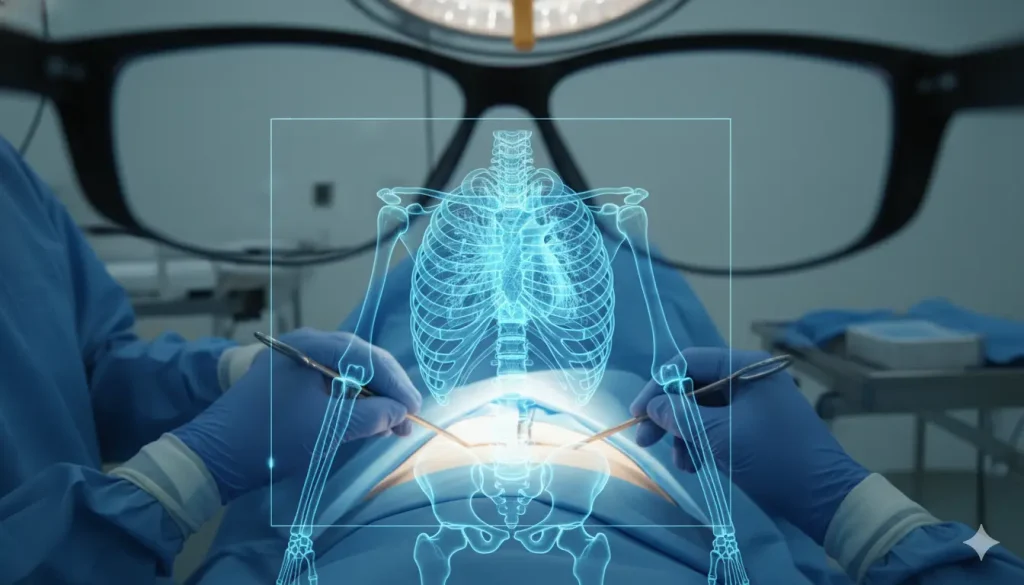
The unit clamps onto a standard bedside rail. It uses computer vision to map the wound edges. Once the doctor places the first “anchor” stitch, the robot takes over, performing a simple running suture or interrupted stitches.
In our tests on porcine skin, the robot’s spacing was mathematically perfect. It creates a scar that is arguably cleaner than a rushed human resident’s work.
Limitations
The robot is a specialist, not a generalist. It excels at straight, clean cuts (like surgical incisions or clean knife wounds). It fails at “ragged” trauma wounds where skin needs to be pulled or debrided significantly. It also has no sense of pain—if the anesthesia wears off, the robot won’t notice the patient flinching until the safety sensors trigger a hard stop.
Verdict
For urgent care centers and plastic surgery clinics, the SurgiMate Mini is an ROI machine. For the chaotic ER, it’s useful only for specific cases, but when it works, it’s like having an extra resident in the room.ospitals looking to retain aging nursing staff and reduce injury claims, this robot isn’t just a gadget—it’s a necessary infrastructure upgrade.