Introduction
Medicine is a profession of information overload. A typical doctor reads dozens of papers, sees hundreds of patients, and attends countless lectures. The problem is not learning the information; it is retrieving it when you need it 6 months later.
You need a Personal Knowledge Management (PKM) system—often called a “Second Brain.” Here is the productivity stack that smart clinicians are using in 2025.
The Strategy: The Gardener vs. The Librarian
To manage information, you need two types of tools:
- The Librarian (Notion):Â Good for structured things. Schedules, habit trackers, research databases, and To-Do lists.
- The Gardener (Obsidian):Â Good for growing ideas. Connecting symptoms to diseases, linking drug mechanisms, and writing papers.
Tool 1: Notion (For Projects)
Use Notion as your “Command Center.”
- Create a “Residency Dashboard” or “Clinic Hub.”
- Use it to store PDFs, track the status of your research papers (e.g., “Drafting,” “Submitted,” “Accepted”), and manage your calendar.
- Analogy:Â Notion is your filing cabinet. Everything has a specific folder.
Tool 2: Obsidian (For Knowledge)
Obsidian is different. It uses “bi-directional linking.”
- How it works: When you write a note about “Hypertension,” you can type [[ACE Inhibitors]]. This instantly creates a link to your note on ACE Inhibitors.
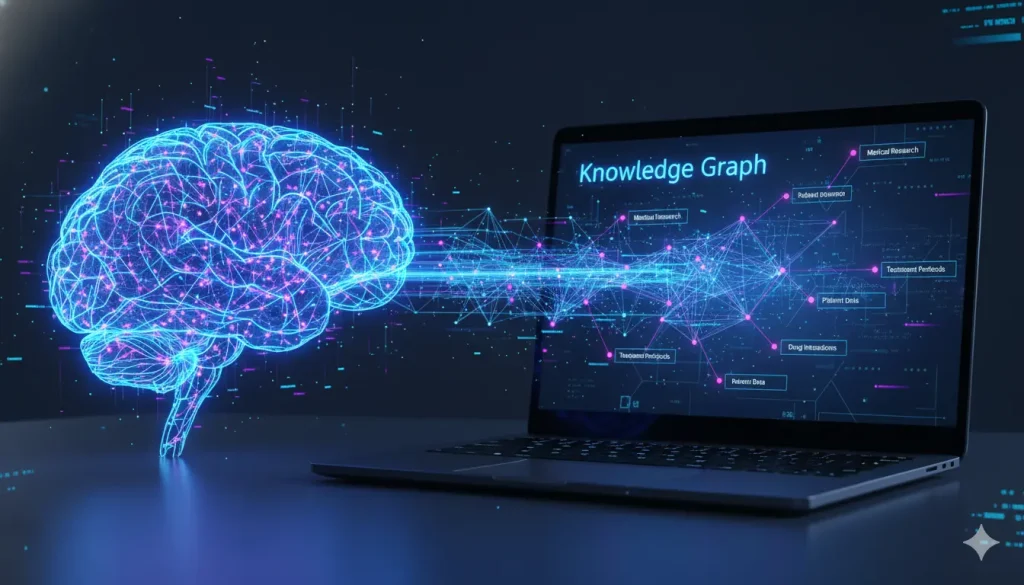
- The Magic:Â Over time, you build a “Knowledge Graph.” You can visually see how “Hypertension” connects to “Kidney Disease” and “Diabetes.”
- Analogy: Obsidian is like your neural network. It mimics how your brain actually thinks—by association.
The Workflow
- Capture: When you read a paper, take quick notes in Notion.
- Distill:Â On the weekend, review your notes. Summarize the key medical concept into your own words.
- Link: Move that concept into Obsidian and link it to other related topics you know.
Conclusion
By offloading your memory into a digital system, you reduce anxiety and burnout. You no longer have to worry about forgetting a rare disease presentation because your “Second Brain” has it safely stored and linked for the next time you need it.