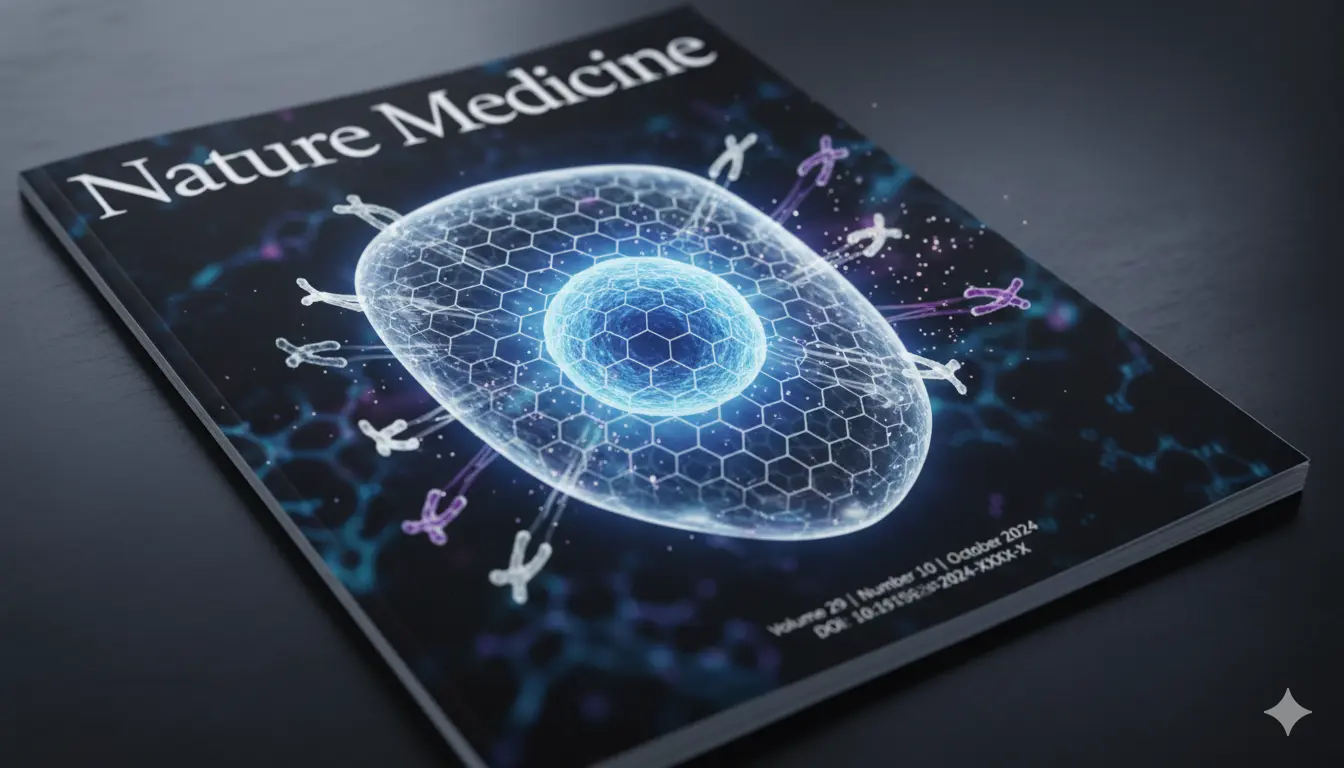
ZURICH — A cure for Type 1 Diabetes (T1D) may be closer than ever, according to a study published today in the prestigious journal Nature Medicine. Researchers from ETH Zurich and the University of Basel have demonstrated a new technique that restores insulin production without triggering the body’s immune system.
For decades, the “Holy Grail” of T1D treatment has been islet cell transplantation. However, patients who receive these transplants currently must take harsh immunosuppressive drugs for life to prevent rejection. The new study, released this afternoon, claims to have solved this bottleneck.
The “Invisibility Cloak” Technique
The research team, led by Dr. Hans Weber, developed a synthetic polymer coating—essentially a microscopic “invisibility cloak”—that wraps around individual islet cells.
“The coating is porous enough to let glucose in and insulin out, but the pores are too small for the body’s immune antibodies to attack the cell inside,” Dr. Weber explained in an interview with Bio News Daily.
Key Findings from the Study
- 100% Success Rate in Models:Â In the study, diabetic mice implanted with the cloaked cells achieved normal blood glucose levels within 48 hours and maintained them for the entire 200-day duration of the experiment.
- No Fibrosis:Â Unlike previous encapsulation attempts, this new polymer resists fibrosis (scar tissue buildup), which has caused past implants to fail.
- Scalability:Â The team demonstrated that these cells can be manufactured in large batches, suggesting the process could be scaled for millions of patients.
What This Means for Patients
Currently, millions of people with Type 1 Diabetes rely on daily insulin injections or pumps. If these results translate to humans, it would mean a functional cure: a simple outpatient procedure to implant the cells once every few years, with no need for daily management or anti-rejection pills.
Next Steps
The researchers have spun out a biotech startup, CloakTx, which announced today it has raised $50 million in Series A funding to propel the technology into human clinical trials. The FDA and EMA have yet to comment, but the first human safety trials are projected to begin in Europe by late 2026.